

Pattern & Copyright Note: Crochet patterns may vary slightly depending on your yarn, hook size, and personal tension. Use the measurements and instructions as a guide, and adjust your tension as needed. This CrochetFloria tutorial, including its instructions, photos, and original content, is protected by copyright. You’re welcome to make the finished project for personal use or as a gift. Please do not copy, republish, or redistribute the pattern or photos. To share it, please link to the original CrochetFloria article.
Affiliate Disclosure: We earn from qualifying purchases made through the affiliate links in this article, at no extra cost to you. We only recommend products that may be useful for your crochet projects.
A crochet pattern can look like a puzzle at first: “ch 4, 3 dc in MR, sl st to join.” Once you know what each short form stands for, those lines turn into clear, simple steps. Patterns use abbreviations and symbols to stay compact, and most of them come from a small set you’ll see again and again.
This guide covers the stitches, increases, decorative techniques, magic rings, wire, and difficulty ratings you’re likely to meet in crochet flower patterns. It also shows how to read a short round of instructions, so you can start a new pattern with more confidence.
Save This on Pinterest!
Don’t have time to read this tutorial on crochet symbols and abbreviations right now? Save it on Pinterest so you can come back later and use this helpful crochet guide!
Crochet Supplies Quick Links
Explore useful supplies and tools for your crochet projects. These shopping links make it easier to find materials and accessories for your next handmade creation
- Cotton Yarn – Find cotton yarn in different colors for your flower.
- Cotton 8 Yarn – Browse yarn options for small crochet projects.
- Crochet Hooks – Find the right hook for your crochet work.
- Floral Wire – Useful for shaping petals and making flower stems.
- Green Florist Tape – Wrap and finish your crochet flower stems.
- Shop LoveCrafts – Discover more yarn and craft supplies.
Written Instructions vs. Symbol Charts
Patterns come in two main forms. Written patterns use abbreviations, such as “2 sc in each stitch.” Charts use small drawn symbols that show where each stitch goes. Many designers include both, and many flower patterns rely on charts because petals and rounds are easy to picture as a diagram.
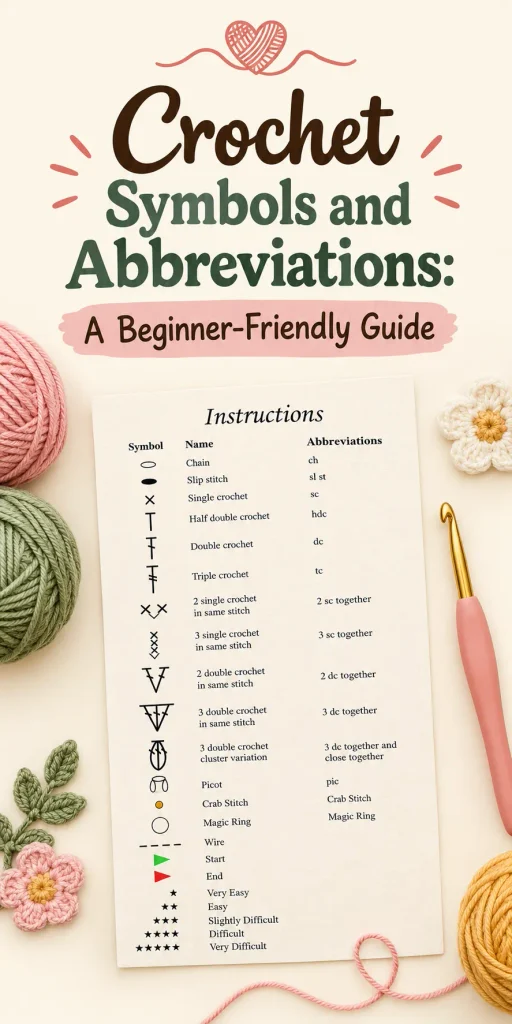
Every symbol set is slightly different, so check the legend before you start. A legend like the one that comes with a pattern matches each symbol to its abbreviation, and it’s the final word on what a symbol means in that particular design.
US vs. UK Terms: Check This First
Before learning any abbreviation, find out which terminology the pattern uses. The same stitch names mean different stitches in US and UK patterns, and this is a common reason a project turns out the wrong size.
| US term | UK term |
| Single crochet (sc) | Double crochet (dc) |
| Half double crochet (hdc) | Half treble (htr) |
| Double crochet (dc) | Treble (tr) |
| Treble / triple crochet (tr or tc) | Double treble (dtr) |
This guide uses US terminology. If a pattern says “dc” and you aren’t sure which system it follows, look for a note near the materials list or a stitch glossary.
Basic Crochet Abbreviations
Chain (ch)
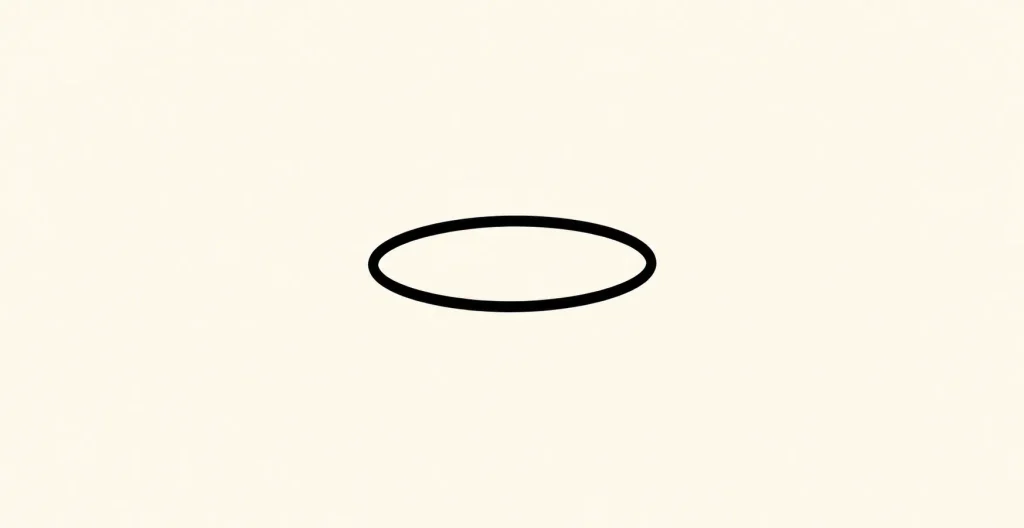
The chain is usually the first stitch people learn. It forms the foundation of many projects and creates spaces between other stitches. Yarn over the hook and pull the yarn through the loop already on the hook. Repeat for each chain.
Slip Stitch (sl st)
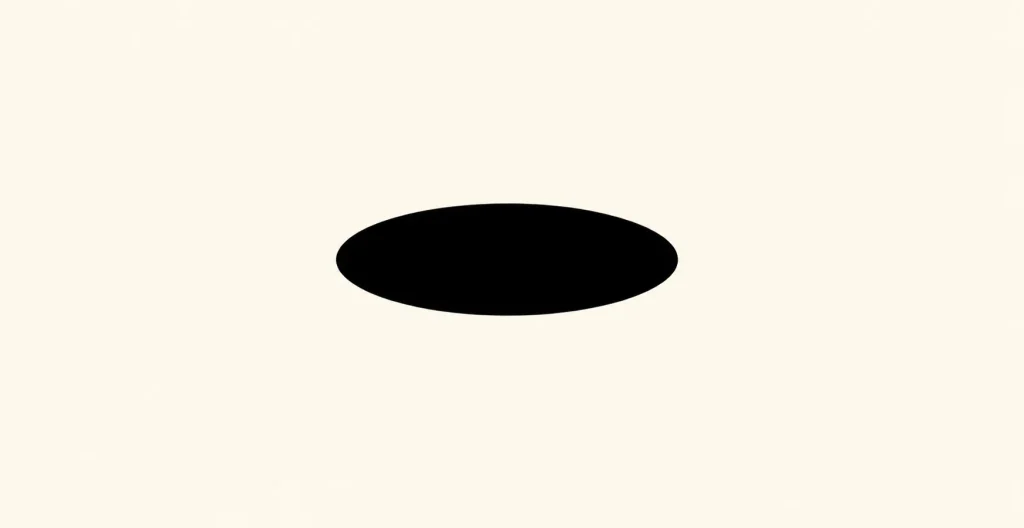
A slip stitch is very short, so it adds almost no height. Patterns use it to join rounds, connect pieces, or move across stitches without adding bulk. Insert the hook into the indicated stitch, yarn over, and pull through both the stitch and the loop on the hook.
Some charts show slip stitch as just “st,” which is easy to misread. If you see that, check the legend.
Single Crochet (sc)
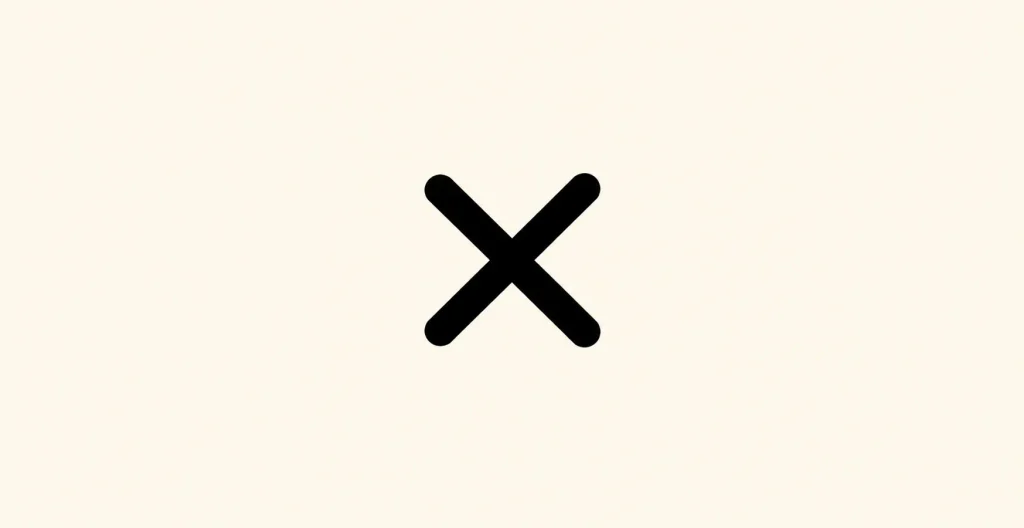
Single crochet makes a dense, compact fabric, which is why it’s popular for small details and pieces that need to hold their shape. Insert the hook, yarn over, and pull up a loop. Then yarn over and pull through both loops on the hook.
Half Double Crochet (hdc)
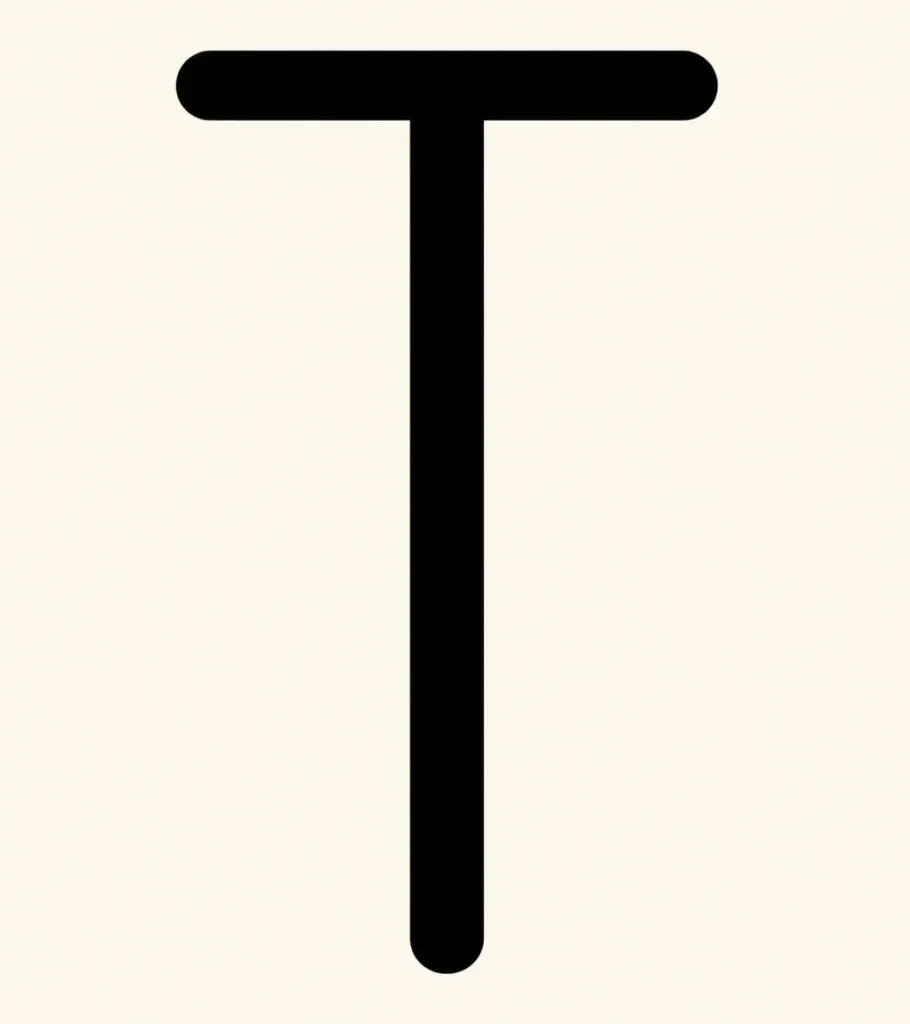
Half double crochet sits between single and double crochet in height. Yarn over, insert the hook, and pull up a loop. Yarn over again and pull through all three loops on the hook.
Double Crochet (dc)
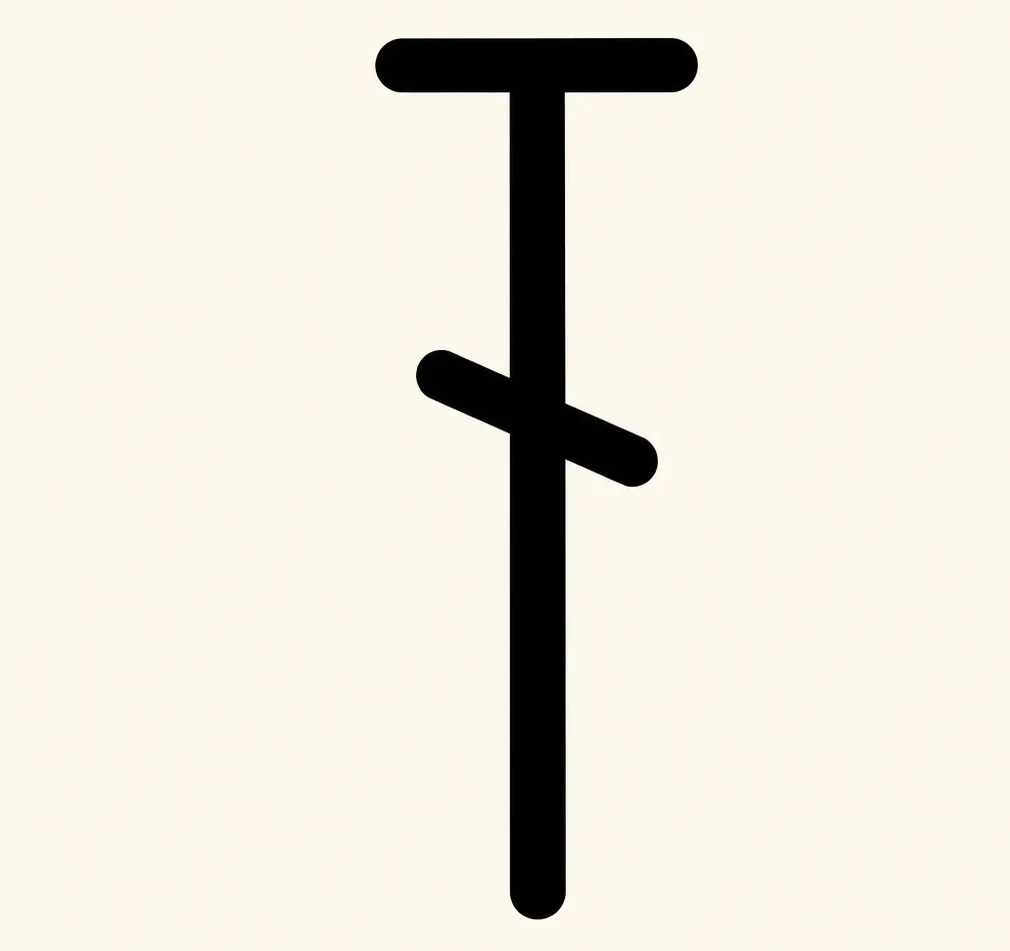
Double crochet is taller and a little more open than single crochet, and it appears often in flower petals and decorative work. Yarn over, insert the hook, and pull up a loop. Yarn over and pull through two loops, then yarn over again and pull through the last two.
Treble or Triple Crochet (tr or tc)
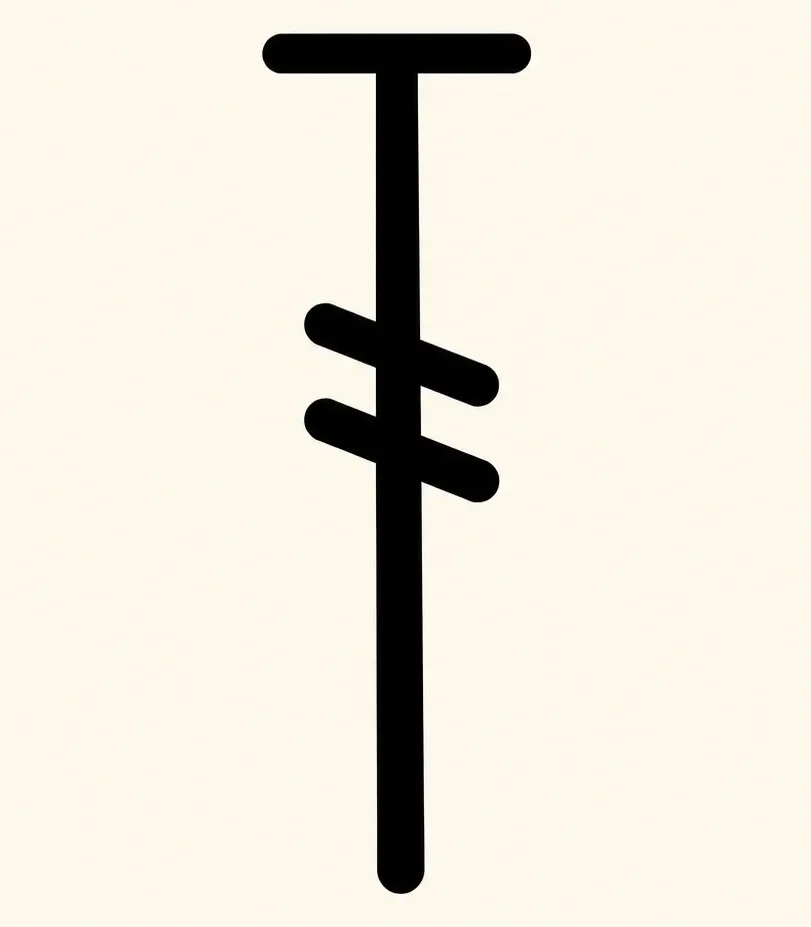
This is the tallest stitch in the standard US set. Yarn over twice before inserting the hook, pull up a loop, and then work off the loops two at a time until one remains. Some legends label it “tc” and others “tr,” so use whichever your pattern uses.
Increases: Several Stitches in One Stitch
An increase means working more than one stitch into the same stitch. That adds to your stitch count and widens the work, which is how flat circles and rounded petals take shape.
- 2 sc in the same stitch: Work two single crochet stitches into one stitch. Your total goes up by one.
- 3 sc in the same stitch: Work three single crochet stitches into one stitch. This makes a bigger jump and often forms a rounded corner or a raised point.
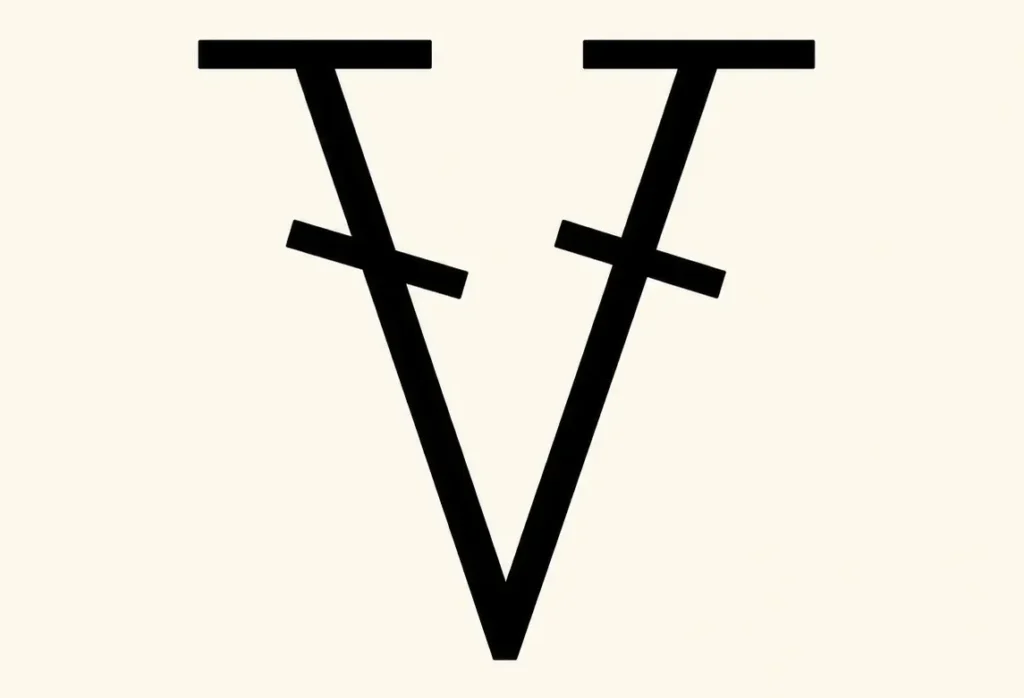
- 2 dc in the same stitch: Two double crochets into one stitch, giving a wider and taller increase than the sc version.
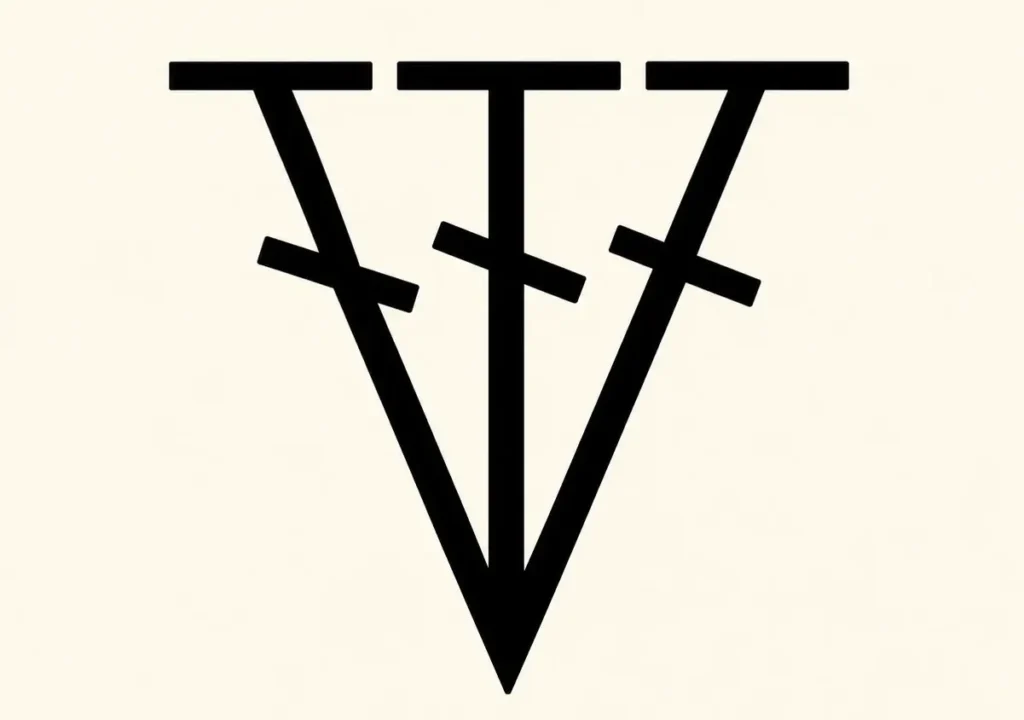
- 3 dc in the same stitch: Three double crochets into one stitch, for a fuller shape often seen in decorative flower work.
Many patterns shorten an increase to “inc,” and a note such as “(1 sc, inc) x 6” tells you to repeat that pair six times.
Decreases: Stitches Worked Together
“Together” means the opposite of “in the same stitch.” It’s easy to confuse the two, especially in a chart legend where the wording can be cramped.
- sc2tog (2 sc together): Insert the hook into the next stitch and pull up a loop. Insert it into the following stitch and pull up another loop. Yarn over and pull through all three loops. Two stitches become one.
- dc2tog (2 dc together): Work a double crochet up to the last step in two neighboring stitches, then close both with a single pull-through. Two stitches become one.
If a legend lists “2 sc together” beside a picture of two stitches fanning out of one base, the label and the symbol don’t agree. Trust the pattern’s written instructions or ask the designer, because the wrong reading changes your stitch count.
2 single crochet in same stitch
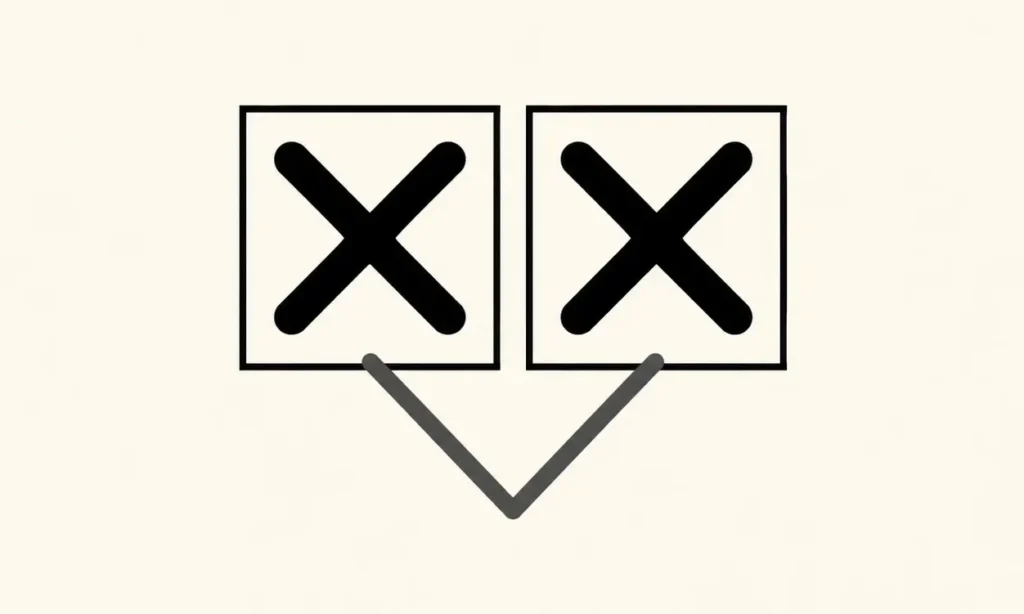
3 single crochet in same stitch
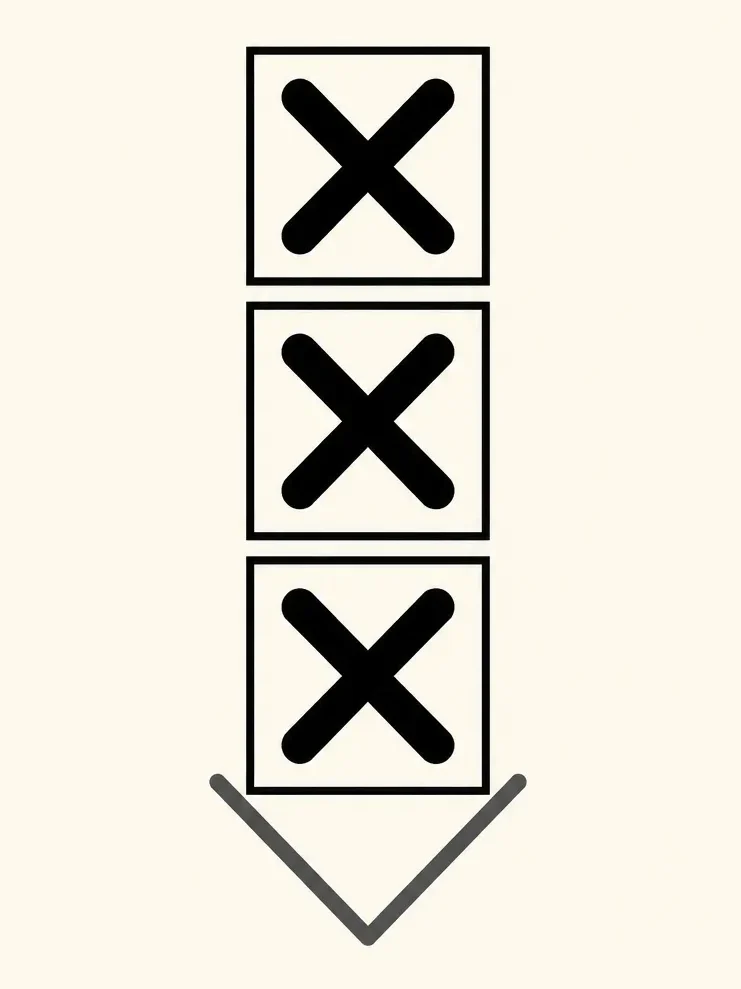
2 double crochet in same stitch
3 double crochet in same stitch
Special Stitches and Techniques
Cluster (3 dc together)
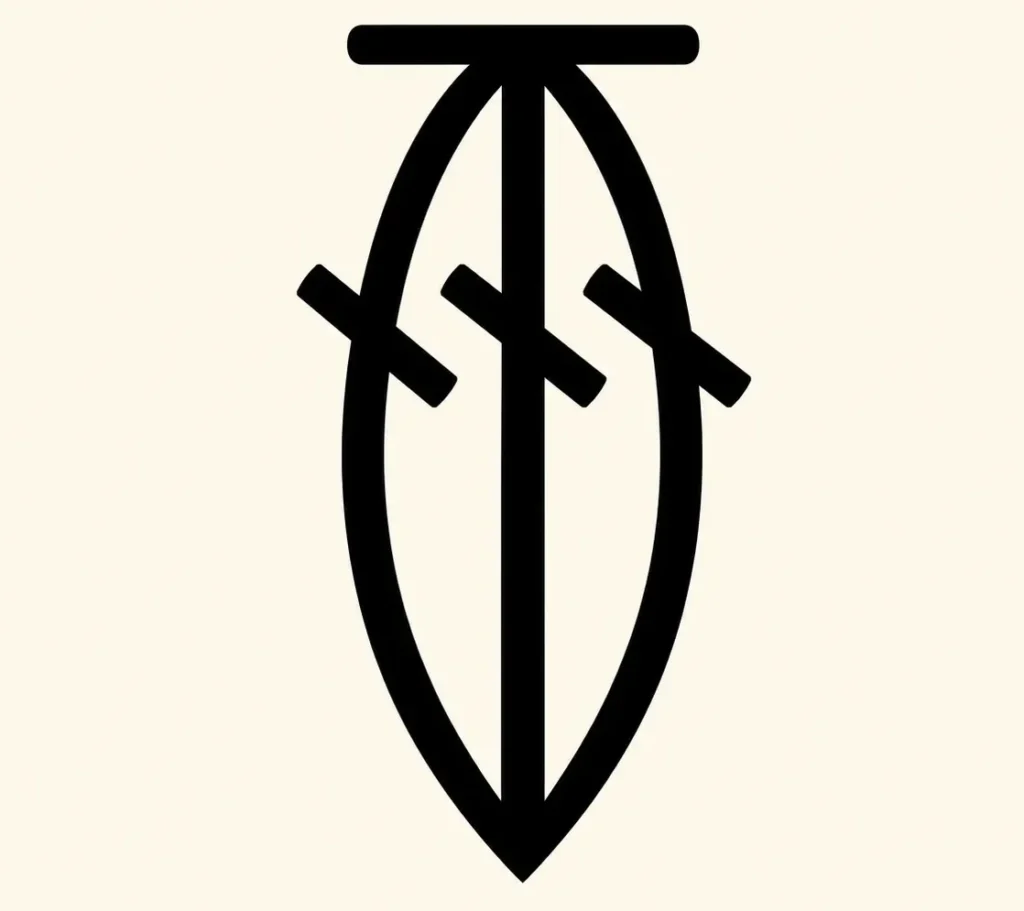
A cluster is several unfinished stitches closed with one final pull-through. For a three-double-crochet cluster, begin three double crochets in the same place, stopping each one before the last step so that loops stay on the hook. Then yarn over and pull through all the loops to join them at the top. The result is a raised, slightly bobbled texture. Designers have their own cluster variations, so read the notes that come with the pattern.
Picot (pic)
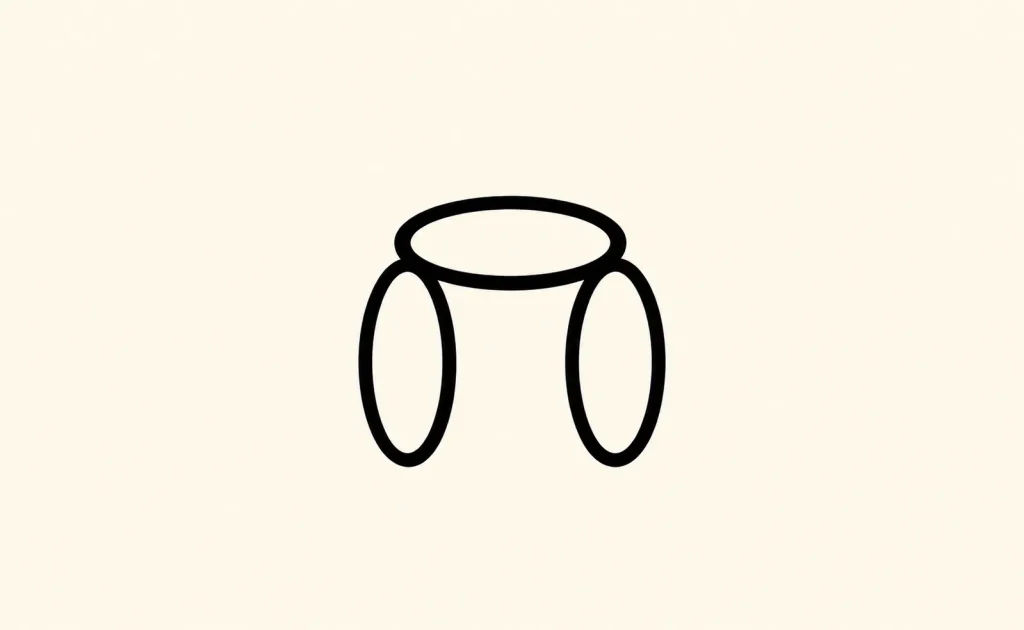
A picot is a tiny pointed loop that adds a delicate edge to petals and borders. A common version is three chains followed by a slip stitch into the first chain. Other patterns use different chain counts or a different joining stitch, so follow the instructions you’re given.
Crab Stitch
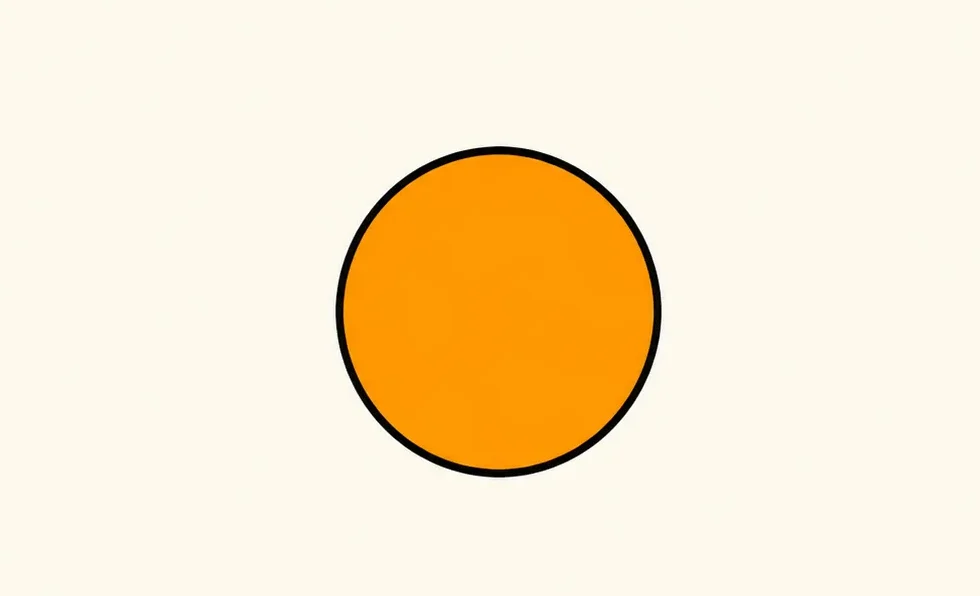
Crab stitch is another name for reverse single crochet. You work it in the opposite direction from regular single crochet, which for right-handed crocheters means moving left to right. It produces a firm, rope-like edge that suits borders and finishing rows.
Magic Ring (MR)
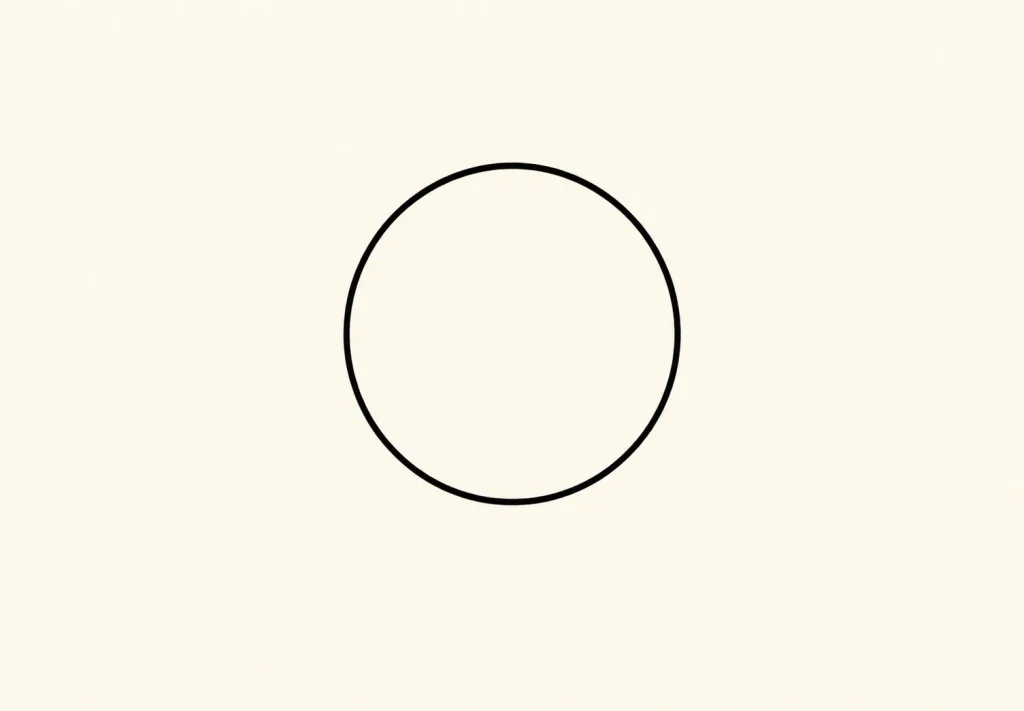
The magic ring, or magic circle, is an adjustable loop used to start work in the round. You make a loop, crochet the first round of stitches into it, and then pull the yarn tail to close the center. It leaves no hole in the middle, which is ideal for flower centers and other small circular pieces.
Wire in Crochet Flower Patterns
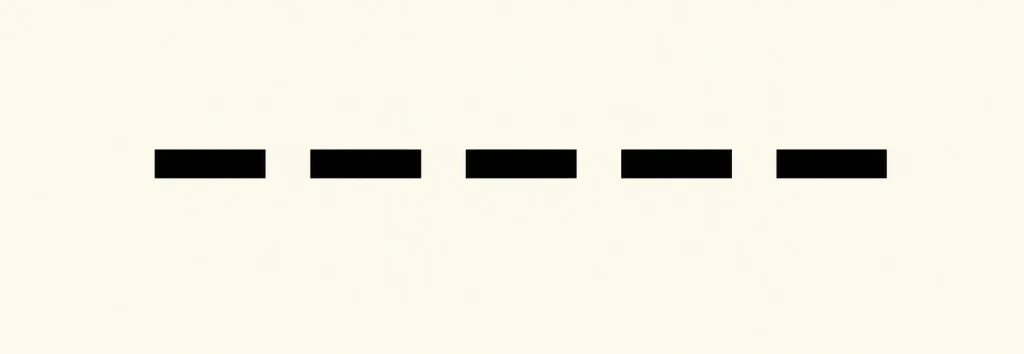
Some flower patterns include wire, usually to support stems, stiffen leaves, or hold petals in a chosen position. The wire symbol in a legend is a cue to look at the materials list, because the thickness, length, and way of attaching it are specific to each design.
Some general points apply to most projects. Cover or secure wire ends so nothing sharp is left exposed, and think carefully about whether a wired flower is appropriate for anything a young child might handle. Not every flower needs wire. Soft, unwired flowers work well for items that will be touched, worn, or washed.
Start and End Symbols
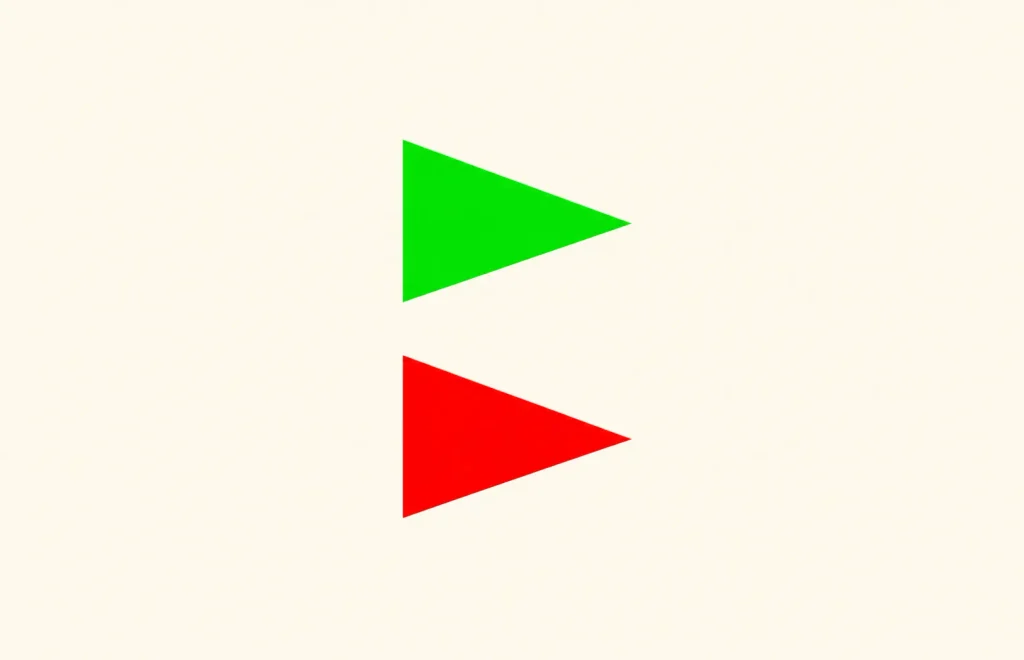
Charts sometimes mark where a section begins and ends with start and end symbols. They help you find your entry point, especially in a chart with several parts, such as a flower center, petals, and leaves. As with every other symbol, designers draw them differently, so confirm what they look like in the legend.
Crochet Pattern Difficulty Levels
A common five-level scale looks like this:
- Very Easy: Basic stitches and simple instructions, suited to learning the fundamentals.
- Easy: A few extra techniques, but straightforward construction.
- Slightly Difficult: A mix of stitch types, some shaping, and more detailed instructions. Some previous experience helps.
- Difficult: Complex stitch combinations, shaping, and assembly, with detailed instructions.
- Very Difficult: Advanced techniques, several components, and careful finishing.
These ratings are a designer’s judgment, not a standard. Look at the stitches and techniques a pattern uses, and weigh them against your own experience, before deciding whether a project suits you.
Quick Reference Table
| Abbreviation | Meaning |
| ch | Chain |
| sl st | Slip stitch |
| sc | Single crochet |
| hdc | Half double crochet |
| dc | Double crochet |
| tr / tc | Treble (triple) crochet |
| pic | Picot |
| MR | Magic ring |
| inc | Increase |
| dec | Decrease |
Treat this as a starting point. A pattern’s own legend always takes priority.
Reading Instructions: A Short Example
This example is illustrative and isn’t taken from a specific flower pattern.
Round 1: 6 sc in MR (6). Make a magic ring and work six single crochet stitches into it.
Round 2: 2 sc in each stitch (12). Work two single crochets into every stitch from the last round. Six stitches become twelve.
Round 3: (1 sc, inc) x 6 (18). Work one single crochet, then an increase, and repeat that sequence six times.
The number in parentheses is the stitch count at the end of the round. Checking it before moving on is one of the simplest ways to catch a mistake early. A stitch marker in the first stitch of each round also helps you keep your place.
More Crochet Ideas & Inspiration
Looking for your next crochet project? Visit our shop to explore our crochet patterns and find your next handmade project.
Follow us on Pinterest and Instagram for more crochet ideas and inspiration for your next project. We’d love to have you join our crochet community!
[…] for common problems, color ideas, and styling suggestions. If you’re new to reading patterns, our guide to crochet symbols and abbreviations is a helpful companion to keep open while you work. And once you’ve made your first calla lily, […]
[…] color ideas, bouquet suggestions, and care advice. If you’re new to reading patterns, our guide to crochet symbols and abbreviations is a useful companion to keep open while you work. And once you’ve made your first poppy, you can […]
[…] also find a full materials list, an abbreviations guide, step-by-step instructions matched to your photos, tips for color placement, fixes for common […]